

Benefits of Cork Flooring for Baby Nurseries Explained
Last Updated: October 29, 2026
Quick Summary
Cork flooring suits a baby nursery because it is renewable, warm and springy underfoot, and absorbs sound well. It is generally easy to clean, though it needs a sealed finish to resist moisture. Pairing it with a playmat in the main play zone adds extra cushioning.
- Cork is harvested from cork oak bark, which regrows, so the material is renewable.
- Its springy, warmer surface makes long tummy time and crawling sessions more comfortable.
- The floor softens footsteps and toy noise, helpful when the nursery sits near a living area.
- Ask suppliers for finish and adhesive specifications, since these matter more than the cork itself for safety.
- Protect cork with felt pads under furniture and avoid leaving water on it, which can warp the floor.
Table of Contents
- Why Cork Flooring Suits a Baby Nursery
- Is Cork Flooring Safe for Babies?
- Comfort, Warmth and Sound Absorption Underfoot
- Cork Flooring Pros and Cons for Nurseries
- Cork Flooring Maintenance and Durability
- Cork Flooring vs Vinyl Flooring for a Nursery
- Choosing Cork Flooring for Your Baby's Room
- Frequently Asked Questions
Cork flooring has quietly become one of the smarter choices for a baby nursery, and for good reason. The same qualities that make cork suit a busy space, comfort underfoot, a natural feel and surfaces that are easy to live with, translate well to a home nursery. This guide walks through the real benefits of cork flooring for baby nurseries, along with the trade-offs you should weigh before you commit.
Why Cork Flooring Suits a Baby Nursery
Cork is harvested from the bark of cork oak trees, which regrow their bark after harvesting, so the material is renewable rather than mined or manufactured from fossil-based plastics. That origin is a big part of why many parents reach for it. It also has a natural springiness that feels pleasant underfoot, which matters when a baby spends long stretches of time on the floor during tummy time, crawling and play.
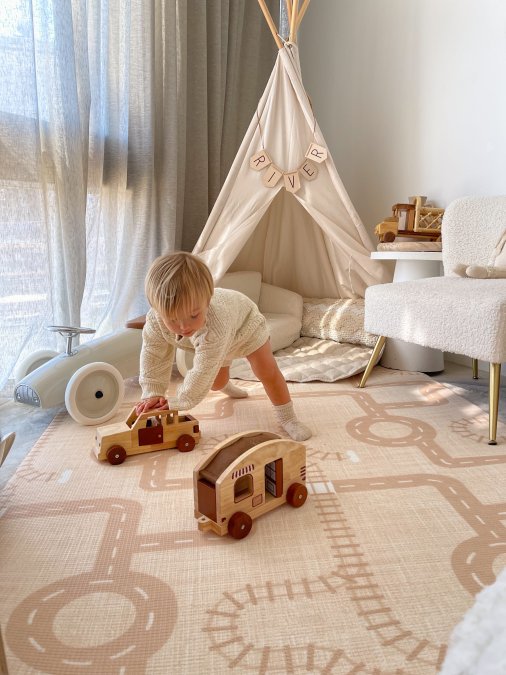
For a nursery specifically, cork brings together a few practical advantages. It is warmer to the touch than most hard floors, it muffles footsteps and the sound of toys being dropped, and it is generally easier to live with than carpet when spills and messes are part of daily life.
Is Cork Flooring Safe for Babies?
Cork is a natural material with no inherent toxicity, and it is widely used in homes and early learning environments where children spend time on the floor. Parents comparing options can also read eco-friendly nursery floor ideas for a safe space. The safety question that matters most for a nursery is usually not the cork itself but the finish, adhesive and underlay used in the installation, so ask your installer or supplier for the product specifications and low-emission credentials of each component.
Where a cork floor is combined with a playmat for floor time, the same checks apply: look for clear material information and avoid anything that cannot tell you what it is made from. A useful habit is to ask any supplier for their material declarations before you buy, rather than relying on general claims about a product being "natural."
Comfort, Warmth and Sound Absorption Underfoot
Cork's cellular structure gives it a degree of cushioning that harder floors lack. For a crawling baby or a toddler learning to stand and balance, that softer give can make a noticeable difference to comfort during long play sessions.
Cork also insulates better than most hard surfaces, so it tends to feel less cold in winter. For a look at how sensory and safe flooring is used in early education settings, see sensory and safe flooring in childcare. Sound absorption is another genuine benefit: the floor softens the noise of activity, which helps in a shared home where a nursery sits next to a living area or a bedroom.
Cork Flooring Pros and Cons for Nurseries
Cork has clear strengths for a nursery, but it is not a perfect fit for every household. Its main advantages are a natural, renewable origin, comfort and warmth underfoot, good sound absorption and a surface that is generally easy to clean. Its drawbacks are that it can be more expensive than basic vinyl, it needs a sealed finish to resist moisture, and it can dent under heavy furniture if it is not protected. Managing these physical limitations becomes much simpler when you prioritize the layout of the room, as designing a clutter-free nursery ensures that the floor remains protected from unnecessary weight while maximizing the functional space available for your child.
Many parents pair cork with a playmat or rug in the main play zone, which gives the best of both: the warm, natural floor across the room and a softer, more cushioned surface where the baby spends most of their time. Costs vary considerably by product, finish and installer, so the most reliable approach is to request a written quote tailored to your room size from your chosen supplier rather than relying on general estimates.
Cork suits many nurseries, but it comes with trade-offs worth weighing before you buy.
| Factor | Cork flooring | Main drawback |
|---|---|---|
| Origin | Renewable cork oak bark | Not stated |
| Underfoot | Warmer, springy feel | Not stated |
| Sound | Good sound absorption | Not stated |
| Cleaning | Generally easy to clean | Needs sealed finish against moisture |
| Cost | Not stated | Can cost more than basic vinyl |
| Protection | Felt pads and mats reduce wear | Can dent under heavy furniture |
Cork Flooring Maintenance and Durability
Day-to-day care for cork is straightforward. Sweep or vacuum regularly to lift grit, wipe spills promptly, and use a pH-neutral cleaner rather than harsh chemicals, which can strip the sealant over time. For step-by-step cleaning guidance for play surfaces, the same principles apply to the playmats used on top of cork. Avoid soaking the floor, since excess water is the main threat to cork.
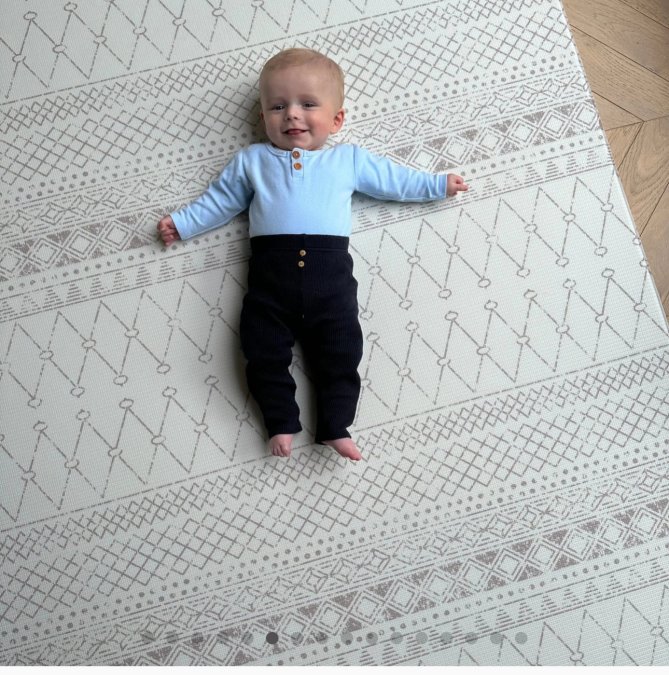
Durability depends largely on the quality of the sealant and how the floor is used. Felt pads under furniture legs prevent dents, and a protective mat under a high-chair or the nursery rocker reduces wear in the places that take the most load. Watch out: a cork floor left wet for long periods can warp or lift at the seams, so mop only with a barely damp cloth and dry spills straight away.
Cork Flooring vs Vinyl Flooring for a Nursery
Vinyl is the most common comparison because it is inexpensive, waterproof and widely available. To understand the safety and durability of TPU coated playmats as an alternative surface, read this guide. Its strengths are price and moisture resistance, which make it a practical choice for a room that gets messy. Its weaknesses are a harder feel underfoot, less natural sound absorption and a petroleum-based origin that some parents prefer to avoid.
Cork wins on warmth, comfort, sound and natural origin. Vinyl wins on upfront cost and on how forgiving it is of water. If your nursery sees frequent spills or sits in a damp room, vinyl may be the more sensible choice. If you want a warmer, quieter and more natural feel and you are careful about moisture, cork is the stronger option.
Choosing Cork Flooring for Your Baby's Room
Start by measuring the room and deciding where the main play area will be, since that is where comfort matters most. Ask any supplier for the finish and adhesive specifications, confirm how the floor should be cleaned, and check what protection they recommend for furniture and high-traffic spots.
Consider layering a soft playmat or rug over the cork in the play zone. Grace & Maggie's Padded Playmats and Memory Foam Snuggle Rugs are designed for floor play, group activities, reading and quiet time, and you can explore the range on our website. For current prices or a quote tailored to your room, visit the Grace & Maggie website or contact the team directly, as pricing depends on size, finish and delivery.
Frequently Asked Questions
Is cork flooring safe for babies?
Cork is a natural material harvested from the bark of cork oak trees, and it is generally considered a low-emission option for indoor spaces. Safety depends on the finish and adhesive used, so ask the supplier for product information confirming the sealant and underlay are low-VOC. Cork is also naturally soft and slightly springy, which makes it comfortable for crawling and tummy time. Always check that a flooring product has been tested for the emissions relevant to your home before installing it in a nursery.
Is cork flooring easy to clean in a nursery?
Yes, cork is easy to keep clean when it is sealed. Sweep or vacuum regularly to remove grit, and wipe up spills promptly with a damp cloth. Use a pH-neutral cleaner rather than harsh chemicals, and avoid soaking the surface with water. Sealed cork resists most everyday spills, but it can scuff under heavy furniture, so felt pads on chair and cot legs help protect the finish over time.
How does cork flooring compare with vinyl for a nursery?
Cork is softer, warmer underfoot and quieter than most vinyl, which makes it more comfortable for play. Vinyl is typically more water-resistant and can be cheaper to install, but it is harder and colder. Cork can dent under heavy point loads and needs sealing to handle spills well. If comfort and sound control matter most, cork is often the better choice, while vinyl suits rooms that see frequent moisture. Prices vary by product and installer, so request a quote from Grace & Maggie or your flooring supplier for current figures.
Does cork flooring keep a nursery warm?
Cork has a lower thermal conductivity than hard surfaces such as tile or timber, so it feels warmer to bare feet and sits more comfortably against a baby's skin during floor play. It does not heat a room, but it can make a nursery floor more inviting in cooler months. Pairing cork with a soft rug or mat adds further cushioning for crawling and reading time.
