


7 Benefits of a Sensory Lounger for Newborns
Last Updated: November 4, 2026
Quick Summary
A sensory lounger gives childcare and education staff a comfortable, supportive seat where a baby can stay awake and alert while being supervised. The reclined position helps babies see faces and movement, and it places them within reach of toys and soft textures. It is for awake time only, never for sleep.
- Use it for short, supervised awake sessions, starting around 5 to 10 minutes at a time.
- The reclined position lets babies see faces and movement across the room.
- Stay within arm's reach and move a sleeping baby to a cot or safe sleep space.
- Check the base, cover fastenings and foam for damage before every use.
Table of Contents
- What a Sensory Lounger Is and How It Works
- Benefits of a Sensory Lounger for Supervised Awake Time
- Baby Lounger Safety: Awake Use Only, Never Sleep
- Newborn Sensory Play Ideas Within Arm's Reach
- Supervised Tummy Time for Newborns: A Practical Routine
- How to Clean a Baby Lounger and Keep It Hygienic
- Choosing Your Sensory Lounger and Booking Your First Setup
- Frequently Asked Questions
What a Sensory Lounger Is and How It Works
A sensory lounger is a soft, supportive seat that holds a baby in a gently reclined position while they watch, reach, babble and move. For childcare and education settings, it gives staff a safe, comfortable spot for a child who needs to be close by and calm.
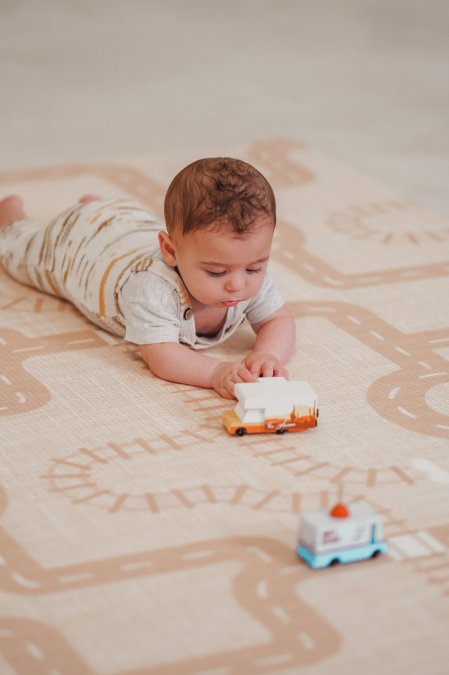
Most loungers have a padded base, raised sides and a removable cover. Some add a gentle rocking motion, which many children find calming. The best ones are built around a firm, high-density foam core, so the child is supported without being sunk into the seat.
- A supportive base that keeps the child's back and head steady
- A removable, washable cover for everyday hygiene
- Raised sides or a contoured shape for gentle containment
- Portability, so it can move between rooms or play areas
The Cove Sensory Lounger from Grace & Maggie features an adjustable recline and high-density support foam, and is designed in Australia for homes, childcare centres, schools and therapy spaces.
Benefits of a Sensory Lounger for Supervised Awake Time
A sensory lounger gives educators a defined, comfortable spot for a baby who is awake, alert and supervised. The practical benefits come from how the lounger supports visibility, positioning and brief hands-free moments, not from any therapeutic claim. Most early learning rooms find that a lounger works best as one part of a rotation between floor play, tummy time and being held.
Here are the concrete advantages, with the mechanism behind each:
-
Visibility and connection: the reclined position raises the baby's head and chest slightly, so they can see faces and movement across the room. Educators can stay within sight and call out to the baby while setting up an activity or attending to another child.
-
Comfort during alert periods: the high-density support foam holds its shape and supportive comfort through daily use.
-
Sensory access: the lounger positions the baby at a height where they can reach a hanging toy, feel a soft fabric or track a slowly moving object.
A Practical Supervised-Use Routine for Childcare Rooms
A routine helps staff use the lounger consistently and safely. The following steps are a common pattern in early learning settings:
- Setup: place the lounger on a firm, flat floor surface away from curtains, cords and heavy toys. Check that the base is stable and the cover is fastened.
- Positioning: lay the baby on their back in the reclined seat, with their head and back supported. Do not add extra pillows or blankets under the baby.
- Interaction: stay within arm's reach and engage the baby with eye contact, a soft toy or a calm voice. Rotate the lounger slightly so the baby can see different parts of the room.
- Duration: start with 5 to 10 minutes at a time, several times a day. Watch for cues such as turning away, fussing or drowsiness.
- When to stop: if the baby becomes drowsy or falls asleep, move them to a cot or safe sleep space immediately. If they fuss, try a different position or pick them up.
Watch out: a lounger should never be used as a container where a baby stays for long periods. Short, frequent sessions are generally recommended over one long session.
What 'Sensory' Means for a Newborn
The word 'sensory' is often used loosely. For a newborn, age-appropriate sensory experiences are simple: high-contrast visual patterns, a calm voice or soft rattle, and different textures against the skin. Safe-sleep guidance should always come first.
Here is a quick summary of the practical advantages and how each one works in a supervised setting.
| Benefit | How it works | Key point |
|---|---|---|
| Visibility and connection | Reclined position lifts head and chest slightly | Educators can stay in sight |
| Comfort during alert periods | High-density support foam holds its shape | Supportive through daily use |
| Sensory access | Positions baby to reach toys and touch fabrics | Height suits hands-on exploration |
Baby Lounger Safety: Awake Use Only, Never Sleep
A lounger is for supervised awake time only. Babies should never be left to sleep in one, and they should always be placed on a firm, flat surface for sleep. Australian safe-sleep guidance advises that soft, inclined or cushioned surfaces are not safe for sleep, so the same caution applies to a lounger. The same firm, flat sleep surface matters when choosing a Moses basket, making moses basket safety an important part of keeping newborns safe beyond supervised awake time.
Why Safe-Sleep Guidance Applies to Loungers
Safe-sleep advice exists because a sleeping baby on a soft or inclined surface faces a higher risk of sleep-related harm. A lounger is not a cot and is not designed for sleep. Always move the baby to a cot or safe sleep space when they fall asleep, even for a short nap. Check current safe-sleep advice before you set up any routine.
Checking a Lounger Before Use: A Practical Checklist
Before each use, run through this checklist. It takes less than a minute and catches most problems early.
- Flatness and stability: place the lounger on a firm, flat floor. Press down on each side to confirm it does not tip or rock excessively.
- Cover and fastenings: check that the cover is securely fastened and that no zips, clips or straps are loose or within reach of the baby.
- Foam integrity: feel the foam core for soft spots, cracks or compression. Stop using the lounger immediately if the foam is damaged.
- Cleanliness: confirm the cover is clean and dry. Moisture in the foam can encourage mould and weaken the structure.
- Recalls and compliance: check the product against current recalls. Keep the purchase receipt with your service records.
- Age and ability: confirm the baby is suitable for the lounger's stated age range and that they cannot yet roll or push up in a way that could tip the lounger. If a baby is starting to roll, move them to floor play instead.
Watch out: a lounger that has been stored in a hot car or a damp cupboard can have weakened foam or a warped frame. Inspect it before the first use after storage, not just before each session.
Supervision and Awake-Time Limits
Supervision means an educator is within arm's reach and actively watching the baby at all times. It does not mean checking in from across the room. If you need to leave the room, take the baby with you or place them in a cot. Keep sessions short and rotate the baby between the lounger, floor play and being held. This reduces the time spent in any one position and gives the baby varied movement opportunities.
Newborn Sensory Play Ideas Within Arm's Reach
Sensory play does not need to be elaborate. For a newborn, it can be as simple as a soft texture passing near the hand, a gentle sound or a face moving slowly into view.
Keep the lounger close to a play mat or soft rug so you can move the baby down for more active play.

Try these ideas:
- Hold a soft toy slowly across the baby's line of sight
- Introduce gentle sounds, such as a soft rattle or a calm voice
- Let the baby touch different soft fabrics
- Change the view by moving the lounger to a window with natural light
Supervised Tummy Time for Newborns: A Practical Routine
Tummy time helps build neck and upper body strength. A simple routine works best when it is short, regular and always supervised.
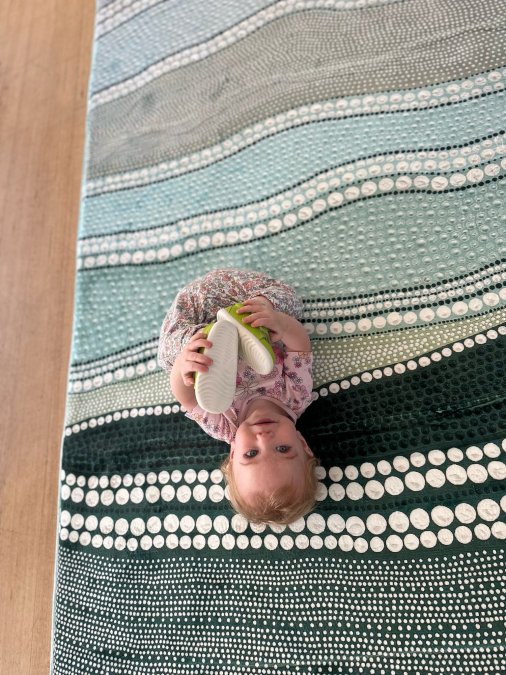
Start with a few minutes at a time, several times a day. Place the baby on a firm, safe surface and stay within arm's reach. When the baby tires or fusses, return them to a supported position.
- Begin with 2 to 3 minutes, then build up slowly
- Always stay within arm's reach
- Stop when the baby gets upset or drowsy
- Move the baby to a safe sleep space if they fall asleep
How to Clean a Baby Lounger and Keep It Hygienic
Daily care keeps a lounger hygienic and comfortable. Spot-clean spills straight away, and wipe down the frame with a mild cleaner. For step-by-step playmat cleaning, see how to clean a playmat.
For the cover, check the care label first. Many covers can be removed and washed, then air-dried fully before reuse.
- Remove the cover and wash it on the recommended setting
- Wipe the frame with a mild, child-safe cleaner
- Let every part dry completely before use
- Check the foam for any moisture or odour
Choosing Your Sensory Lounger and Booking Your First Setup
When you are choosing a lounger for a childcare or education room, look for a firm, supportive base, a cover you can remove and wash, and a frame that stays steady. Think about how often the lounger will move between rooms and how many children will use it each day.
The Cove Sensory Lounger is available in Rose, Ocean, Mint and Lavender. The Cove Sensory Lounger - Rose is one option, and you can review the full range on the Cove Sensory Lounger collection page.

Every setting is different, so start with one lounger in your most-used room and watch how the children use it. That gives you real information before you add more.
Frequently Asked Questions
What is a sensory lounger for a newborn?
A sensory lounger is a supportive, padded seat that holds a newborn in a semi-upright position while they are awake and under close supervision. It is designed for play, looking around and gentle sensory exploration, not for sleep. The Cove Sensory Lounger from Grace & Maggie, priced at $269.00, uses a soft removable corduroy cover over high-density foam and adjusts from an upright seat to a gentle recliner. Educators should always check the lounger's age guidance and stop using it once the baby begins to roll.
Can a newborn sleep in a sensory lounger?
No. A sensory lounger is intended for supervised awake time only. Sleep should always take place on a firm, flat, safe sleep surface in line with current safe-sleep guidance. Once a baby falls asleep in a lounger, move them to a cot or bassinet on their back. Educators and parents should never leave a sleeping baby in a lounger, as an inclined surface can increase the risk of sleep-related harm.
How long can a newborn use a sensory lounger at a time?
Sessions should be short and matched to the baby's cues. Many newborns tire quickly, so brief periods of awake play are more suitable than long stretches. Watch for fussing, turning away or drowsiness, and lift the baby out at the first sign they are finished. Keep the baby within sight and within reach at all times. Build a simple routine of short sessions across the day rather than one long session.
How do you clean and maintain a sensory lounger in an early learning setting?
Remove the cover where the design allows and wipe the frame and surfaces with a mild, baby-safe cleaner after each use. Launder the removable corduroy cover according to its care label, and allow it to dry fully before reuse. Check the foam and stitching regularly for wear. Store the lounger in a dry place and rotate use across the room so no single unit is overused. Consistent cleaning helps keep the lounger hygienic for every child.
Grace & Maggie designs its products for the daily demands of early learning and education spaces. If you want a supportive, easy-to-clean lounger for your setting, explore the range and find the right fit for your room.
