


How to Choose Comfortable Playmats for Childcare Reading Corners
Last Updated: November 21, 2026
Quick Summary
Choose comfortable playmats for childcare reading corners by matching the surface to the setting: a wipeable TPU-coated foam mat for the main high-use corner, and a short-pile memory foam rug for quieter zones. Check for a non-slip base, rounded corners, BPA- and PVC-free materials, and enough thickness to cushion sitting and crawling.
- Wipe the mat with mild detergent between sessions, then a clean damp cloth, and air-dry it.
- Allow a crawl margin of about 50-60 cm around the seated group.
- Keep at least 90 cm of clear walkway between the mat edge and any doorway.
- Store spare mats rolled, not folded, to avoid permanent creases.
- Ask for confirmation the mat is free from BPA and PVC.
Table of Contents
- Why a Dedicated Mat Makes or Breaks a Childcare Reading Corner
- Choosing Padded Playmats for Childcare: Materials, Thickness and Safety
- Easy-Clean Playmats for Early Learning Centres: Hygiene Without the Headache
- Non-Slip Playmats for Reading Corners: Keeping the Surface Where It Belongs
- Small-Space Reading Corner Ideas for Childcare Rooms
- Sizing, Layout and Inclusive Design for Shared Reading Spaces
- Daily Checks and Long-Term Care for a Shared Playmat
- Planning Your Reading Corner Mat for a Langwarrin Service
- Frequently Asked Questions
Why a Dedicated Mat Makes or Breaks a Childcare Reading Corner
A reading corner without a proper floor surface is just a bookshelf with a rug.
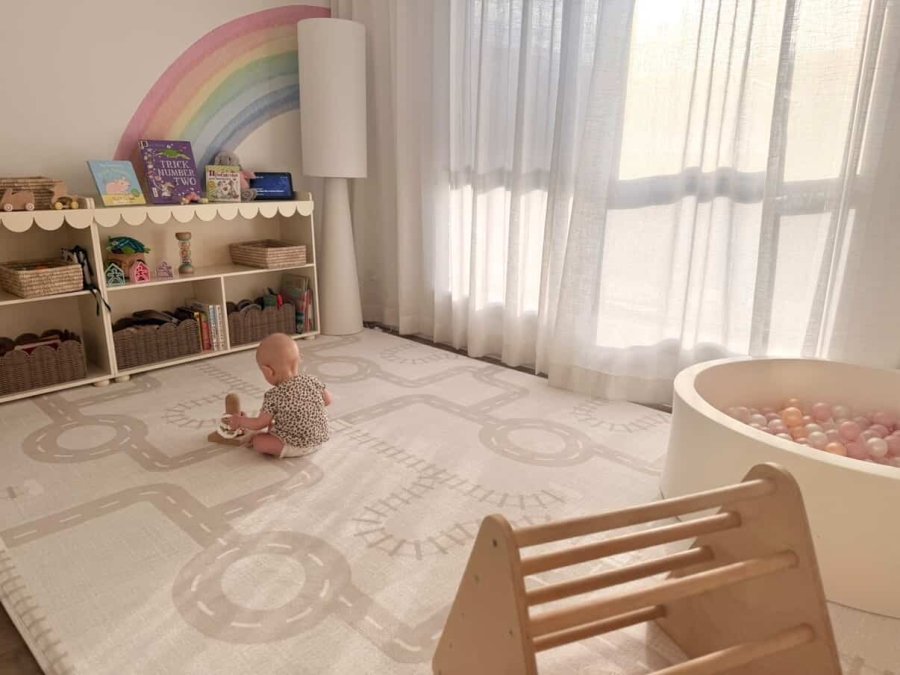
We have supplied early learning environments long enough to know the difference: a padded mat gets used every session, while bare floor or a thin decorative rug becomes a walkway.
In a shared setting, the mat is equipment, not decor.
Below, we walk through materials, hygiene, grip, sizing and daily care for shared reading spaces.
Choosing Padded Playmats for Childcare: Materials, Thickness and Safety
Padded playmats for childcare come in three broad constructions, each suited to a different kind of reading corner.
Foam, Memory Foam or Fabric: What Each Surface Suits
Foam core mats are a practical option for shared spaces. A dense foam core with a wipeable top surface suits high-use reading corners where spills are common.
Memory foam is the comfort option. It conforms under a child's weight, which suits children who lie down to read or need cushioned support.
Fabric-topped mats feel the softest and look most like home, but demand more maintenance. In a shared setting, choose them for quiet, low-mess zones only.
What to Check Before You Buy
- Surface material: a wipeable TPU coating suits everyday spills.
- Chemical content: ask for confirmation the mat is free from BPA and PVC, especially where babies will be doing tummy time.
- Edges: rounded corners reduce trip hazards and stop edges curling.
You can browse our range of early learning padded playmats to compare surfaces and thicknesses side by side.
Ask how the core holds up over time, not just how it feels when new.
Easy-Clean Playmats for Early Learning Centres: Hygiene Without the Headache
Easy-clean playmats for early learning centres need a surface you can wipe down between sessions, not a textile you send away for cleaning.
Match the Cleaning Method to the Surface
- Wipeable TPU or similar coated surfaces: a damp cloth with mild detergent, then a clean damp cloth to remove residue, then air-dried. Avoid abrasive pads and solvent-based cleaners.
- Short-pile memory foam rugs: vacuum regularly, spot-clean spills promptly with a damp cloth and mild detergent, and blot rather than rub. Avoid saturating the pile.
- Fabric-topped mats: low-mess quiet zones only. In a shared reading corner they need daily vacuuming and frequent spot cleaning, and are hardest to bring back to a hygienic state after a spill.
A common pattern in long day care rooms is one wipeable mat for the main reading corner, with any fabric-topped mat reserved for a smaller, supervised quiet space.
A Childcare-Ready Cleaning Schedule
- Between sessions: wipe the surface with a damp cloth and mild detergent, then a clean damp cloth. This matters most, because it happens several times a day.
- End of day: full wipe-down, check under cushions and along seams for crumbs, and confirm the mat is dry before children return.
- Weekly: vacuum textile surfaces (more often in sandpit season), lift the mat and check the underside for moisture, debris or mould, and air it if it has been against a damp floor.
Keep a simple cleaning log, date, surface, method, initials, so relief educators follow the same routine, and so you have a record if a licensing or assessment visit asks how the floor surface is maintained.
Managing Spills and Illness-Related Contamination
- Food and drink: remove solids first, blot liquid, then clean with mild detergent and water, and dry fully before use.
- Bodily fluids: isolate the mat from use, clean the affected area with detergent and water, then follow your service's infection-control policy for disinfection.
- Illness outbreaks: treat the mat as a shared surface and clean it as part of the room's outbreak routine, not just at pack-up time. Where the mat has a removable cover, follow the manufacturer's washing instructions; where it does not, a full surface clean and dry is the practical option.
If the surface feels damp or the mat smells musty, take it out of use and dry it thoroughly before returning it to the corner.
The Australian Children's Education and Care Quality Authority sets the quality framework educators work within, and a clean, well-maintained floor surface supports those expectations in daily practice. Your service's own infection-control and cleaning policies should always take precedence over general guidance.
Non-Slip Playmats for Reading Corners: Keeping the Surface Where It Belongs
Non-slip playmats for reading corners help keep the surface in place, which matters for crawling babies and children using mobility aids.
Grip comes from the base, not the top. Look for a non-slip underside and check that the mat lies flat without curling at the edges.
This matters beyond toddler play: a child using a wheelchair or walker needs a stable surface with genuine grip. You can see a round padded playmat option if that shape suits your room.
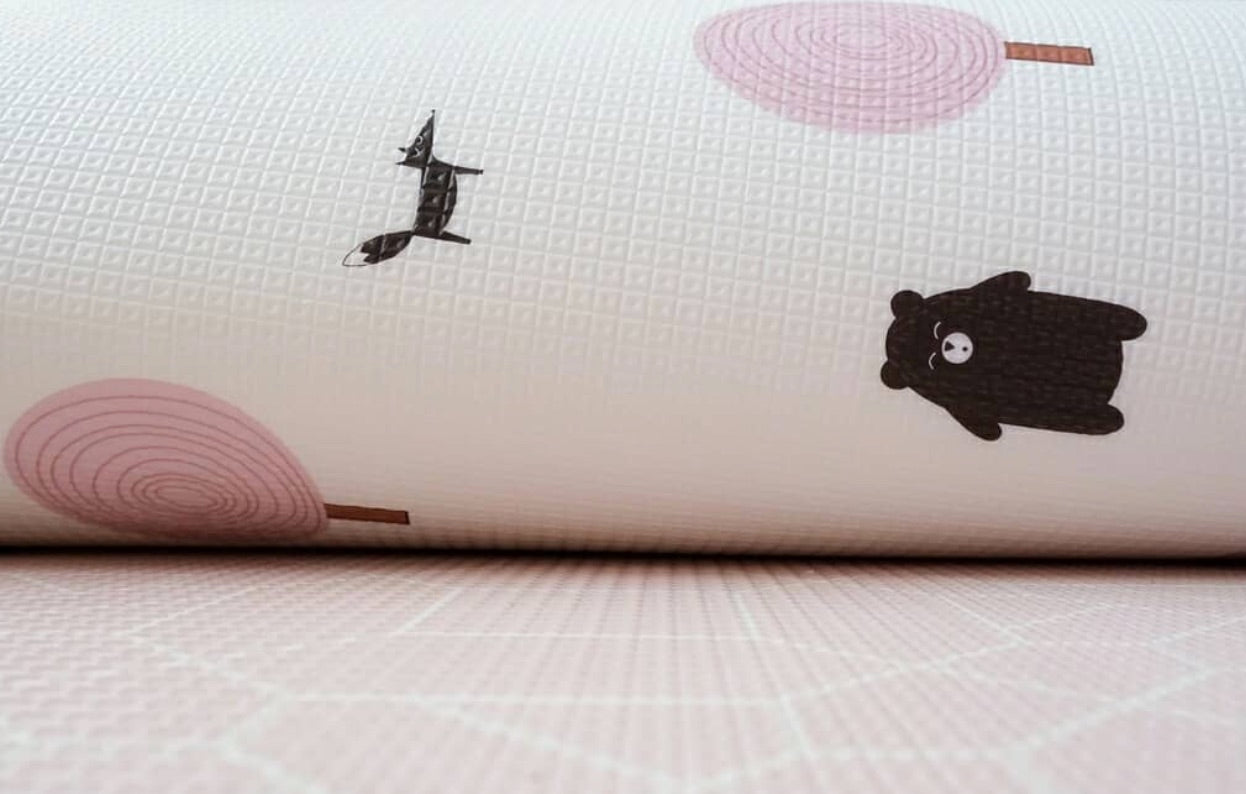
Small-Space Reading Corner Ideas for Childcare Rooms
Small-space reading corner ideas for childcare rooms start with one rule: define the zone with the mat, not with furniture. In a tight room, the mat does the work that walls and shelving cannot.
- The nook: a single cushioned mat tucked between two low shelves, with books facing out at child height.
- The wedge: a triangular arrangement using a corner, with a small mat and two floor cushions.
- The rollout: a mat that lives rolled up and comes out for quiet time, then goes away.
For rooms where floor space is genuinely tight, our guide to cushioned playmats for small apartments covers the same problem from a home perspective, and the sizing logic transfers directly to a compact childcare room.
Sizing, Layout and Inclusive Design for Shared Reading Spaces
Sizing a shared reading mat is a simple calculation: count how many children will use it at once, allow comfortable seated space for each, then add a margin for movement. A mat that seats four comfortably beats one that squeezes in six.
Measuring the Corner Before You Choose a Mat
Start with the floor, not the catalogue. Measure the available floor area, then subtract the space taken by low shelving, a book display and any doorway swing. What remains is your usable mat zone.
- Allow comfortable seated width per child for cross-legged reading, and a little more for children who lie down or stretch out.
- Add a crawl margin of about 50-60 cm around the seated group so children can move between the mat and the books without crowding.
- Keep at least 90 cm of clear walkway between the mat edge and any doorway, thoroughfare or busy play zone, so the reading corner does not become a trip hazard.
A large padded mat gives you room to spread out picture books, cushions and a sensory seat without children crowding each other. If the measured zone is tight, a round or small rectangular mat can define the corner without blocking movement, you can view the small playmat options that fit tighter spaces without sacrificing comfort.
Arranging the Corner Around the Mat
- Books at child height: low, forward-facing shelving along one or two edges, not all four, so children can reach in without stepping onto the mat from every side.
- Cushions at the back: floor cushions and a soft seat against the wall side, leaving the open side for entry and exit.
- A clear entry point: one obvious way in and out keeps traffic predictable and reduces collisions.
Inclusive Design for Children Who Need Additional Support
- Clear floor space beside the mat for a wheelchair or walker to pull up, ideally on the same level and with a firm surface under the wheels.
- Firm, stable edges so a child can transfer from a seat to the floor safely, and so a child using mobility support can approach without the mat curling under them.
- Contrasting colour so the mat edge is visible to children with low vision, and so the boundary of the quiet zone is clear.
If you are working out sizing for a limited floor area, the same logic applies whether the corner is in a Langwarrin service or a compact room anywhere in VIC: measure first, then choose the mat that fits the measured zone rather than the one that looks best online.
Daily Checks and Long-Term Care for a Shared Playmat
Daily checks take under a minute and prevent most problems. Run a hand along the edges, check the base has not shifted, and look for tears or lifted seams before the children arrive.
- Daily: visual check for damage, wipe the surface, confirm the mat sits flat.
- Weekly: vacuum textile surfaces, lift the mat and check the underside for moisture or debris.
- Monthly: deep clean per the manufacturer's instructions and inspect seams and edges.
- Termly: review condition against your maintenance budget and plan replacement before it fails.
Store spare mats rolled, not folded, to avoid permanent creases. Rotate high-traffic mats if you have more than one.
When you are ready to choose a durable large mat for a shared corner, you can view a large padded playmat built for everyday use.
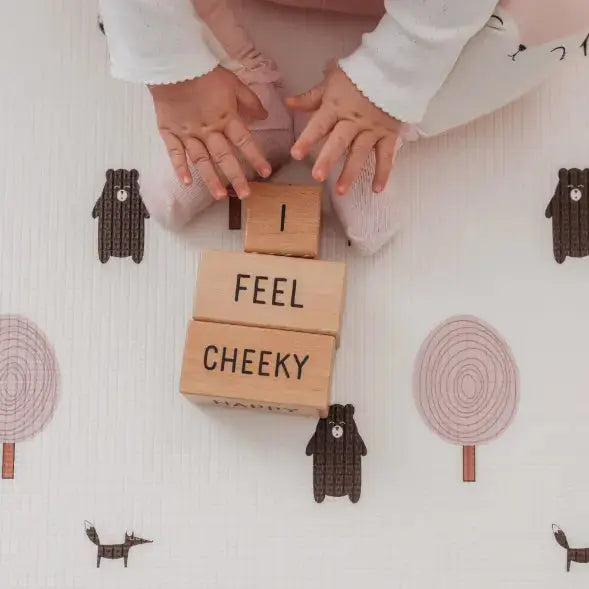
Planning Your Reading Corner Mat for a Langwarrin Service
Planning a reading corner mat for a Langwarrin service follows the same logic as anywhere in VIC, with a few local considerations.
The practical checklist for shared reading spaces is:
| Decision | What to Confirm | Why It Matters |
|---|---|---|
| Surface | Wipeable TPU or short-pile textile | Hygiene between sessions |
| Core | Dense foam or memory foam | Comfort for sitting and lying |
| Base | Non-slip backing, flat edges | Safety on hard floors |
| Size | Seated group plus crawl margin | Usable, not crowded |
| Design | Rounded corners, visible edge | Trip and vision safety |
| Care | Simple daily wipe routine | Long service life |
A reading corner only works if children want to stay in it, and the floor surface decides that more than the bookshelf does.
Grace & Maggie can help you fit out a shared reading space with padded playmats and memory foam snuggle rugs built for daily use in early learning settings.
Frequently Asked Questions
What type of playmat is best for a childcare reading corner?
A padded mat with a wipeable top surface and a supportive foam core works best for shared daily use. Look for a mat that sits flat, has a non-slip base, and is free from BPA and PVC. A reversible design gives you two looks from one purchase, and a thickness that feels supportive for sitting and lying down suits reading, quiet activities and tummy time.
How thick should a playmat be for children to sit on comfortably?
Thickness affects comfort and how the mat sits under furniture. A padded playmat around 1.5cm thick gives a supportive surface for floor play and reading without creating a trip hazard at the edges. Memory foam snuggle rugs are thicker again, expanding to around 35mm, which suits lounging and sensory spaces. Match the thickness to the room: thinner padded mats work well where children move on and off constantly, while thicker foam suits calm-down zones and quiet reading.
How do you keep a shared childcare playmat clean?
Wipe the surface with a mild detergent solution after each session, and spot clean spills straight away. A wipeable TPU surface makes this quick, and a short-pile memory foam rug resists the staining that long fibres trap. Build cleaning into the daily routine, check under cushions and along seams, and dry the mat fully before children return. For easy-clean playmats for early learning centres, a mat you can wipe in under a minute is worth more than one that needs machine washing.
How can you stop a playmat from slipping on a childcare floor?
Start with a mat that has a non-slip backing, then check it stays put on your actual floor type. Hard floors such as timber or vinyl are the usual culprits. If the mat still shifts, add an anti-slip underlay cut to size, and avoid placing it over rugs or loose carpet edges. Check the base regularly to confirm it still grips the floor.
